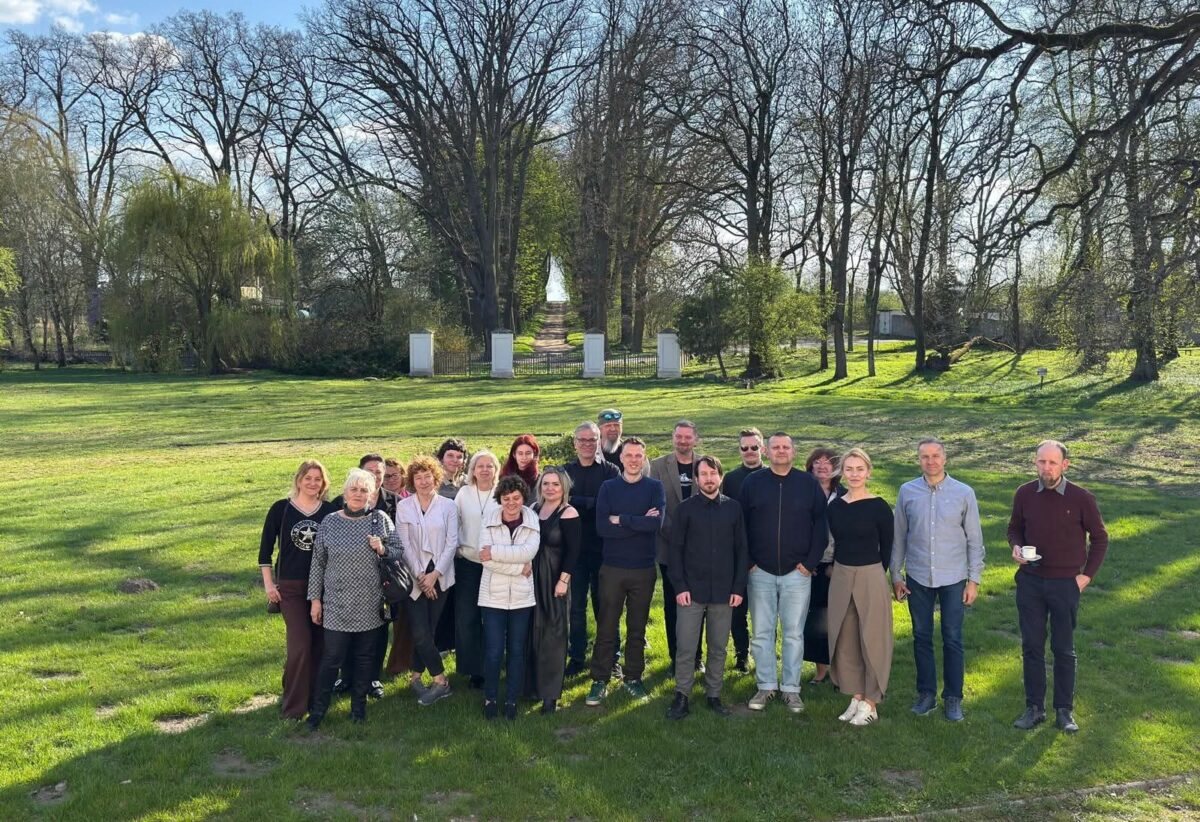
The 2nd International Archaeological Workshop took place at the International Center for Interdisciplinary Studies of the University of Szczecin in Kulice. The event was organized as part of the project “Sea – Pomerania – Brandenburg – Borderland: A Place for Polish-German Dialogue 2.0.” A Cross-Border Network of Cooperation in Tourism, Science, and Historical Education.
The workshops, part of the series “Death Between Prehistory and the Present and a Tourist Attraction,” implemented as part of the Mare2 project, took place on 20 – 23 April 2026. They were exceptionally intensive and—most importantly—exceptionally fruitful. The interdisciplinary nature of the workshops allowed for a much broader perspective on cultural heritage, particularly in the context of its contemporary functioning and the ways in which it is presented and experienced by audiences.
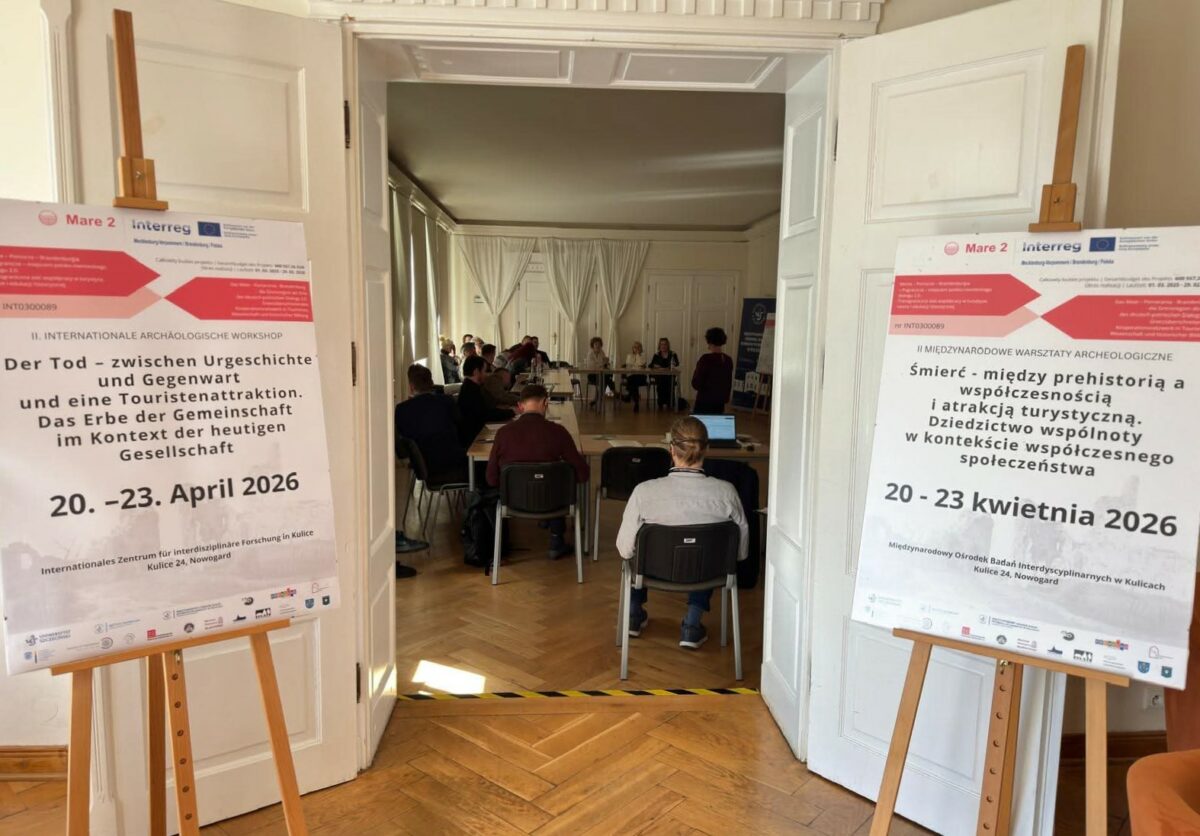
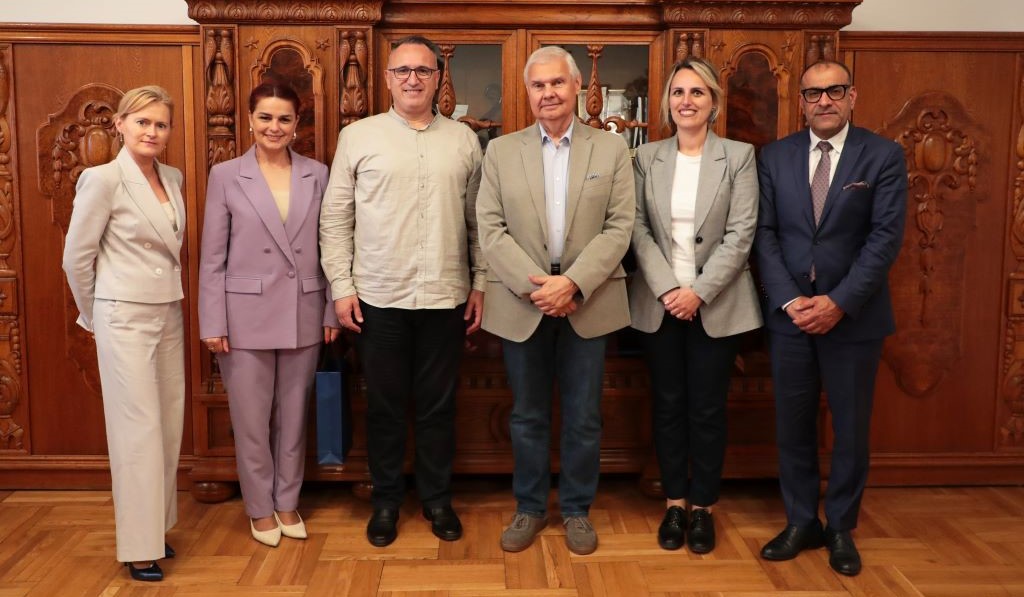
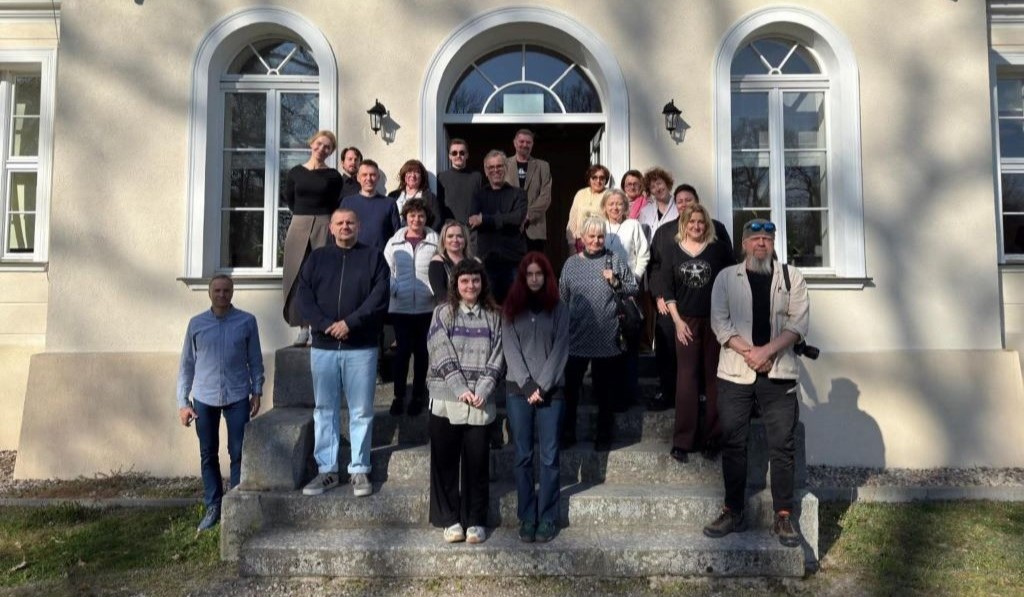
The event was attended by experts representing Polish and German institutions and various fields – from archaeology and anthropology, through museology and art history, to new technologies and artistic practice. The presence of representatives from such diverse institutions, including conservation and museums, local government representatives, and members of organizations and foundations working to protect and promote heritage, as well as tourism, was particularly encouraging.
The workshops also had a significant social and educational dimension – representatives of local communities participated in the lectures, creating a space for real dialogue between science and heritage recipients. The program combined theoretical reflection with field experience and practical activities. Topics covered included cultural and anthropological approaches to death, the functioning of funeral heritage in the contemporary tourist landscape, and new methods of its interpretation – from perception studies (eye-tracking) to the use of immersive technologies, virtualization, and gamification.
A particularly important aspect of the workshops was the continuation of work on the concept of an exhibition dedicated to funeral heritage. Initial ideas emerged during the previous meeting, while this year’s workshops yielded very concrete results – preliminary designs for two exhibitions were created. Although they address similar issues, they propose different approaches to narrative, form, and audience engagement, opening up incredibly inspiring possibilities for further work.
The scientific coordinator of the event was Dr. Agnieszka Matuszewska (Department of Archaeology, University of Szczecin).
Photos: P. Migdalski, M. Dzikowski