For years, the University of Szczecin has been developing a psychological support system for its academic community. The support is directed at students, doctoral students, and, to a certain extent, university employees. As part of the activities of the Accessibility Office and the Student Support and Development Team at the University of Szczecin, a comprehensive support system has been created, which includes individual consultations with a psychologist, workshops, crisis interventions, educational assistance, and community projects.
The central point of support is the Psychological Assistance Center located at 15 Augustyna Kordeckiego Street in Szczecin, where every student and doctoral student at the University of Szczecin can make an appointment with a specialist – a psychologist, educator, and, if necessary, a crisis intervention specialist. You can register by phone (tel. 91 444 38 18) between 8:00 a.m. and 3:15 p.m. or by email (psycholog.don@usz.edu.pl). However, keep in mind that emails are used for registration only – consultations are not conducted via email.
The Psychological Assistance Center team consists of qualified specialists with experience in working with young people and adults. Psychologist appointment days:
- Karina Smolińska, MA: Monday–Friday
- Joanna Jasiczek, MA: Monday–Friday
- Bartosz Wojciechowski, PhD: Thursday
- Paulina Jagodzińska, MA: Friday
Appointments with psychologists: phone: 91 444 38 18 – Monday to Friday, 8:00 a.m. to 3:15 p.m. E-mail: psycholog.don@usz.edu.pl – registration by e-mail is not handled by psychologists. Specialists offer not only psychological support, but also help in coping with stress, emotional disorders, relationship difficulties, and crisis situations.
Support for international students and intercultural integration
The University of Szczecin also cares about international students, who often face additional challenges: language barriers, social isolation, and culture shock. In this regard, coordinators for psychological support, volunteering, and intercultural integration are available to help. The team includes dr Marzena Piłat and dr Celina Timoszyk-Tomczak, who conduct consultations and initiate activities that build relationships within the academic community.
The support offered includes not only direct conversations with psychologists. The university also regularly organizes workshops and group classes during which participants learn, among other things, how to cope with stress, communicate effectively, relax, and express emotions. These initiatives are addressed to both students and employees of the university. Psychology students are also involved in projects for the local community, including consultations for primary and secondary school students, always under the supervision of academic lecturers.
The Vice-Rector for Student Affairs at the University of Szczecin, dr hab. Katarzyna Kotarska, prof. US, offers students the opportunity to consult in various forms:
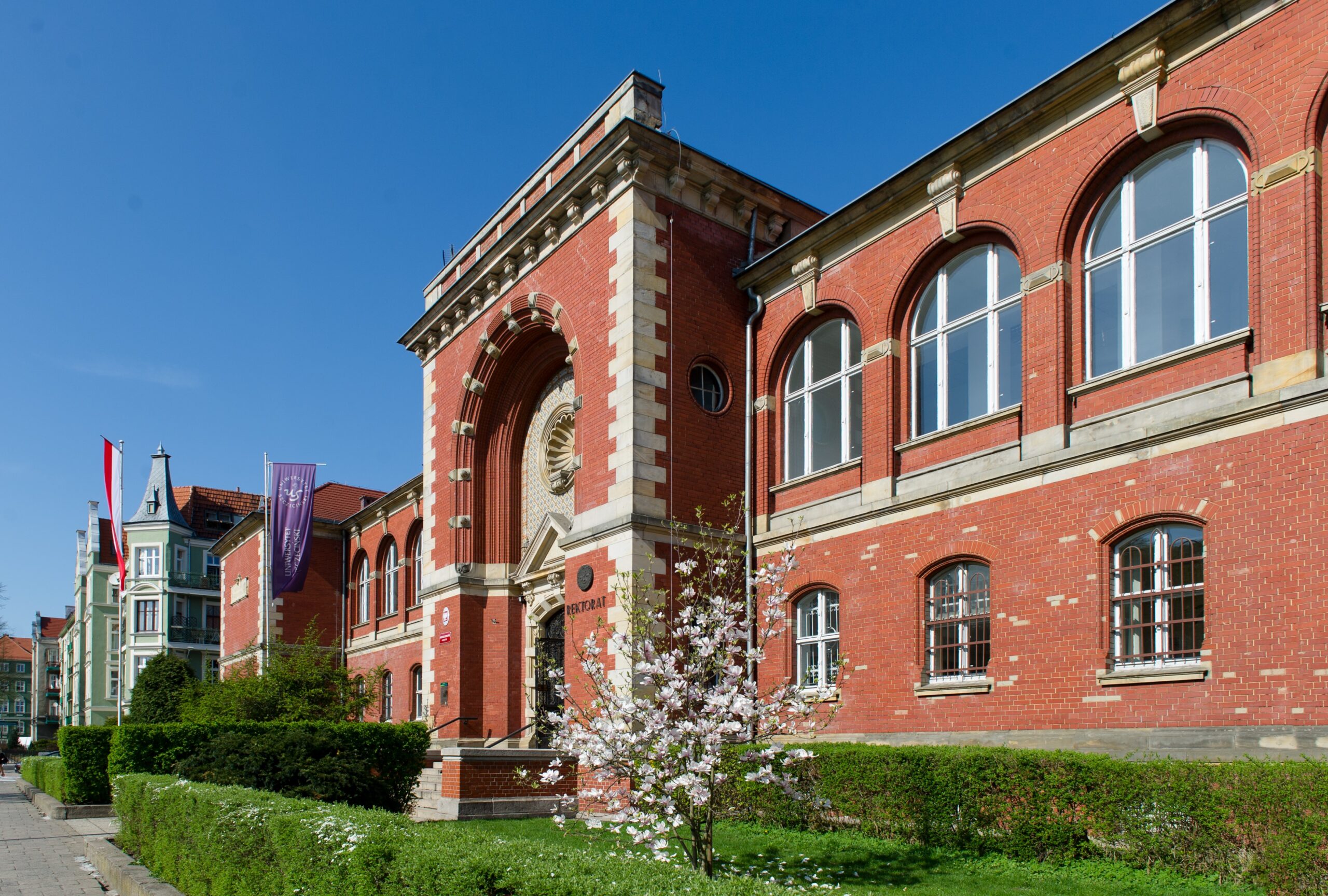
- individual meetings (in person or online) are held every Monday from 1:00 p.m. to 3:00 p.m. in room 21/22 in the rector’s office of the University of Szczecin (al. Papieża Jana Pawła II 22a).
- It is also possible to meet online via the MS Teams platform. To make an appointment, please contact us in advance by email at: prostudenci@usz.edu.pl or by phone: 91 444 10 10.
In the event of serious life crises requiring quick and professional intervention, students can seek help from the Municipal Crisis Intervention Center. The center operates 24 hours a day and offers psychological, social, and legal assistance: ul. Papieża Jana Pawła II 42 in Szczecin, tel. 91 464 63 33/91 464 63 34, e-mail: pomoc@pomocrodzinie.pl, www.mopr.szczecin.pl.
Details on psychological assistance, consultation schedules, application forms, and news can be found on the website of the Accessibility: https://bon.usz.edu.pl and https://bon.usz.edu.pl/punkt-pomocy-psychologicznej-4/
The University of Szczecin emphasizes that caring for mental well-being is not a privilege—it is part of responsible education. That is why the university also consistently invests in physical safety and crisis procedures:
- crisis management instructions (fires, terrorist threats, etc.) have been developed,
- health and safety training and evacuation drills are held regularly,
- procedures are analyzed and updated, also in response to incidents at other universities.
Documents and details are available in the Public Information Bulletin and on the website: https://bon.usz.edu.pl and https://bon.usz.edu.pl/punkt-pomocy-psychologicznej-4/